





Woo Casino Withdrawal: What Happens After You Tap Cash Out
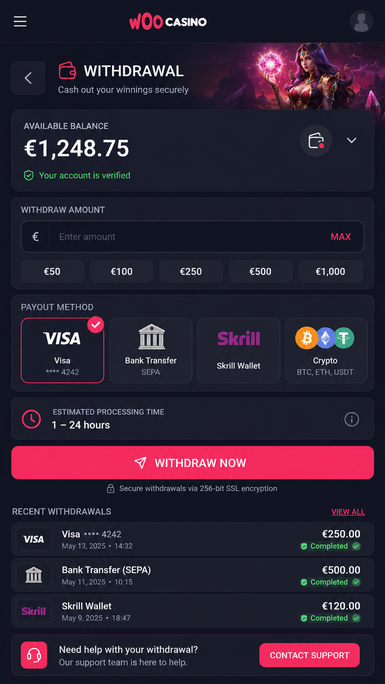
A payout request is a mini workflow, not magic. You pick a route in the cashier, confirm the amount, and the request enters a review queue where basic eligibility checks happen before funds are handed to the payment provider. Imagine you’re in Australia, it’s late, and you hit cash out after a good run - “pending” usually means “in line,” not “in trouble.”
Woo Casino is available in Australia, so the cashier usually reflects your region when it comes to methods, currencies, and extra checks.
The practical mindset in 2026 is simple: there’s the platform step (review) and the provider step (delivery). If you plan for both, you’ll refresh the page less and get on with your day.
One more thing that helps: treat the cashier like a receipt system. Save a screenshot of the request and any status change, then move on until you have a reason to act.
The Two-Step Flow: Request, Review, Release
First you submit, then the system verifies the request and releases it to the provider. Picture a player who changes their password, switches devices, and then requests a payout right away - that pattern can trigger extra checks because it looks like account takeover risk.
If you want fewer pauses, separate “security changes” from “money movement.” Do your updates on a quiet day, then cash out later using the same device and network you normally use.
Common Status Messages And What They Usually Mean
“Approved” often means the internal review is done; “sent” usually means it’s now moving through the payment network; “failed” is typically a fixable rejection. Imagine you see “sent” in the morning and nothing arrives by lunch - that can be normal transit time, especially on bank rails. If it fails, correct the reason once and resubmit cleanly instead of trying five times.
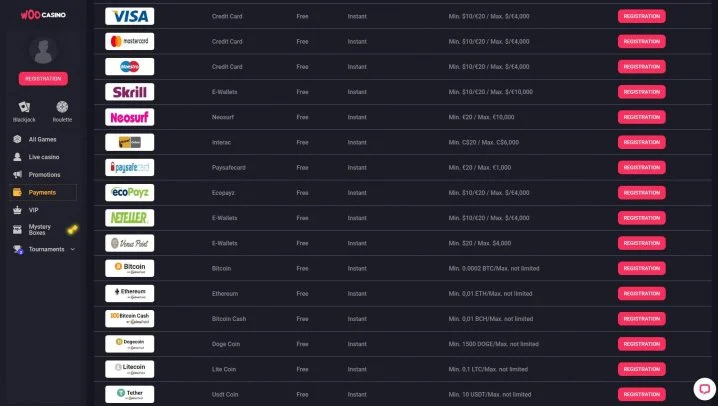
Payment Routes Players Use In Australia
Different routes fail for different reasons: some care most about name matching, others about currency, and some are strict on first-time verification. Imagine you’re a player who wants predictable cash flow for rent day - you’ll likely choose the method that behaves consistently with your bank, not the method that is “fastest” in perfect conditions. A simple habit beats guesswork: test a smaller payout first, confirm it lands, then stick with that route so your history looks normal to risk systems.
Cards And Bank Transfers: Where Delays Come From
Banks batch, screen, and sometimes pause transfers around weekends or cut-off times. Picture a Friday night request: even if funds are released quickly, your bank may not post anything until the next business day.
If your bank rejects this category of transfer, you usually have two sane options: use a different receiving bank account in your own name, or switch to another route offered in the cashier. Repeating the same request to the same bank rarely changes the outcome.
E-Wallets And Instant Methods: Why They Can Still Pause
Wallet-style methods can feel quick, but they still pause for wallet verification, currency conversion, or unusual patterns. Imagine you always cash out small amounts and then request a much bigger figure - that “sudden change” can trigger a manual review somewhere in the chain. Keep your wallet verified, keep your details consistent, and avoid last-minute edits before you request funds.
What Influences Processing Speed In 2026
There’s no single timer because multiple systems touch one request: your account status, the route you chose, and whether anything looks out of pattern. Imagine two players who request the same amount: one verified earlier and uses a familiar method; the other never verified and just changed devices. Their outcomes won’t match.
It helps to think in layers. Layer one is what you control (profile accuracy, verification, method choice). Layer two is what you can predict (weekends, cut-offs). Layer three is what you can only react to (provider screening or bank policy).
When you troubleshoot, start with layer one. It’s the fastest to fix.
Identity Checks And First-Time Payouts
First payouts are commonly slower because the platform may need to confirm identity and legal gambling age, plus ownership of the receiving method. Picture someone uploading a blurry document photo with glare - it often bounces back for a better image and turns one step into three.
Do verification when you’re calm, in good light, and on stable internet. Once that baseline is done, later payouts tend to feel much closer to “submit and wait.”
Bonus Conditions And Locked Balances
Promotions can lock parts of your balance until requirements are met or you opt out. Imagine you clicked a deposit offer weeks ago, forgot about it, and now the cashier says funds aren’t available - that’s usually a rule mismatch, not a random refusal. Before you request a payout, review what’s locked, decide whether to finish the requirements, or remove the promotion so your balance becomes straightforward.
Weekends, Cut-Offs, And Provider Screening
Even when internal review is fast, external networks have business hours and cut-offs, and providers may run screening that you can’t speed up. Picture submitting right before a daily cut-off: your request can roll to “next day” even if you were only minutes late.
If timing matters, submit earlier in the day and choose the route that historically works best with your own bank or wallet. “Best” means least drama for you, not the most optimistic marketing phrase.
Set Up Your Account So Cashouts Go Smoothly
Most delays come from tiny mismatches: name spelling, outdated address, a phone number that doesn’t match your documents, or a receiving method not registered to you. Imagine you moved apartments in Australia and never updated your profile - your “quick payout” can turn into a proof-of-address task. Fix your profile once and you’ll feel the benefit every time.
Naming, Documents, And Address Details
Match your profile spelling to your documents and receiving account. Picture “Alex” on your profile and “Alexander” at the bank - that can route your request to manual checks. Also avoid uploading documents that aren’t in your own name; even if you share a household, many systems won’t accept it. Keep one clear file per document and save copies so you can resend fast if asked.
Device Security Habits That Prevent Holds
Security checks can slow a payout, but they also protect you from theft. Imagine you log in from a new device on hotel Wi-Fi, then request funds immediately - that’s exactly the pattern fraud systems watch for.
Use your usual device when you can, enable two-factor authentication if available, and avoid making big account changes right before you request money. If you must travel, do a small “test” request first so you learn how your setup behaves on that network.
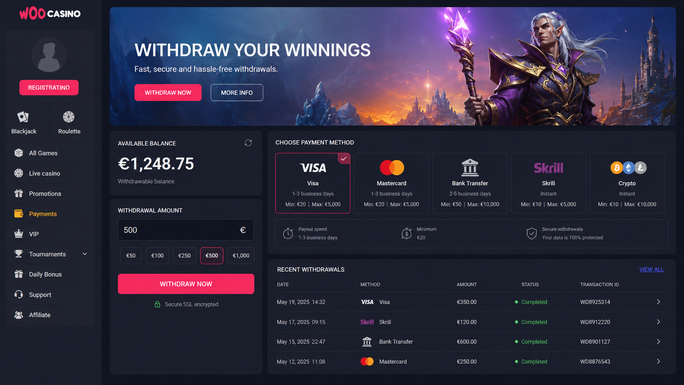
Quick Checklist And Payout Method Snapshot
Two minutes of prep can save days of waiting. Imagine you submit a payout on your lunch break and then you can’t respond to a support question until the evening - that gap alone can extend the process.
Payout Route (Example) | Typical Steps | What Usually Slows It Down | Best For |
|---|---|---|---|
Bank transfer | Review - provider processing - bank posting | Weekends, cut-offs, bank screening | Larger sums, clear records |
Payment card | Review - network settlement - issuer posting | Issuer rules, batching | Familiar routine |
E-wallet | Review - wallet credit - optional bank move | Wallet verification, conversion | Faster access |
Digital assets | Review - network send - wallet receipt | Confirmations, address mistakes | Self-custody users |
After your first successful payout, write down what “normal” looked like: day, method, and rough delivery rhythm. That personal baseline is more useful than any generic promise.
When Something Feels Stuck: Support And Dispute Steps
Delays happen. The difference between a quick fix and a week of frustration is how you communicate. Imagine you send five messages saying “update?” - support still has to ask you for method, date, and status, and you lose a day to back-and-forth.
Start by collecting your basics: submitted date/time, method, current status, and any error text. Then ask for the next action required from you, not for a countdown.
What To Include In Your First Message
Give support enough context to act immediately: method type, time submitted, status shown, and whether you recently changed anything (password, device, bank details). Picture being asked to prove method ownership - if you already have a screenshot of the method panel with sensitive numbers hidden, you can resolve it in one round.
If you need to follow up, keep everything in the same ticket thread and refer to the exact transaction line. Clarity beats volume.
Timeouts, Self-Exclusion, And Responsible Play Requests
Responsible play tools can restrict account actions while active. Imagine you set a cooling-off period after a long session, then remember you wanted to cash out - you may have to wait until the restriction ends, depending on the tool. Set limits when you’re calm, read the wording before confirming, and keep a note of end dates so you’re not surprised later.
Woo Casino Withdrawal Reviews: How To Read Them With Context
Feedback about payouts is useful when you treat it like research, not drama. Imagine you see one angry comment and assume the worst - that’s how people get spooked by a single story. Instead, look for repeating themes: first-time verification delays, bank rejections, unclear status labels, or slow support during peak hours.
Good reviews describe actions and timing; weak reviews skip details. Use what you read to improve your own process: verify early, keep one stable payout route, and communicate clearly if something pauses.
Spotting Patterns Instead Of One-Off Stories
Patterns are what you can act on. Imagine two posts: one says “scam,” the other explains they used a new bank account, got asked for proof, and resolved it after sending documents.
Collect themes, turn them into a checklist, and you’ll get more value than arguing about opinions. In practice that checklist is short: stable details, verified documents, and a method that matches your name.
Red Flags That Are Really User Errors
Many payout problems are user mistakes: wrong wallet address, trying to receive to a method not in their name, or forgetting an active promotion. Imagine copying an address from a message and missing a character - on some networks that’s unrecoverable. Double-check, use saved verified details, and separate bonus play from “I want to cash out soon” sessions.
Fair Complaints Worth Learning From
Some complaints are valid: unclear communication, slow ticket response at busy times, or confusing wording in the cashier. Imagine your status changes but there’s no explanation - take screenshots, keep everything in one ticket thread, and ask for the specific reason for the pause.
Even when you’re frustrated, stay factual. It gives support something to act on, and it protects you if you need to escalate.